

Transitional Fashion: Queensland Summer Outfits with Breathable Fabrics for Humid Coastal Climate
By Onyx Poppy, Onyx Poppy Boutique
Queensland's coastal climate presents unique challenges when selecting summer outfits. The high humidity and varying temperatures require clothing choices that prioritize comfort while remaining stylish. This article will explore transitional fashion techniques that leverage breathable fabrics, sustainable styles, and effective layering methods suitable for Queensland's hot weather. Readers will learn how to navigate humidity through fabric selection and discover essential tips for pairing outfits that balance style with functionality. Additionally, we’ll delve into the benefits of sun protection garments and accessories that contribute to both comfort and health in the summer sun.
What Are the Key Features of Queensland's Coastal Climate Influencing Summer Outfits?
Queensland's coastal climate is characterized by high humidity and variable temperatures, making it essential to choose fabrics that enhance comfort and breathability. This climate influences the types of outfits that are suitable for the hot and often sticky summers. The interplay between humidity levels and temperature fluctuations has a significant impact on outfit selections, leading to preferred styles that are not only fashionable but also functional for immediate relief from heat and discomfort.
How Does Humidity Affect Clothing Choices in Queensland Summer?
Humidity plays a crucial role in determining appropriate clothing for Queensland summers. When humidity levels are high, moisture can cling to the body, leading to discomfort. Therefore, fabrics that promote breathability and moisture-wicking properties become essential. For example, lightweight cotton shirts or linen pants help in reducing heat retention, making them favorable options for outdoor activities. Choosing the right fabrics can significantly enhance comfort during the hot months, allowing for a stylish yet functional wardrobe.
What Seasonal Temperature Changes Occur in Queensland's Coastal Regions?
Queensland experiences notable temperature variations throughout its summer months, typically ranging from 30°C to 35°C (86°F to 95°F), depending on the area. Coastal regions may also experience cooler evening temperatures that necessitate layering for comfort. This fluctuation encourages the use of light fabrics that can be easily adapted to changes in temperature during the day and night. For instance, a lightweight cardigan can be layered over a breathable sundress to maintain comfort through temperature shifts without sacrificing style.
Which Breathable Fabrics Are Best for Humid Summer Weather in Queensland?
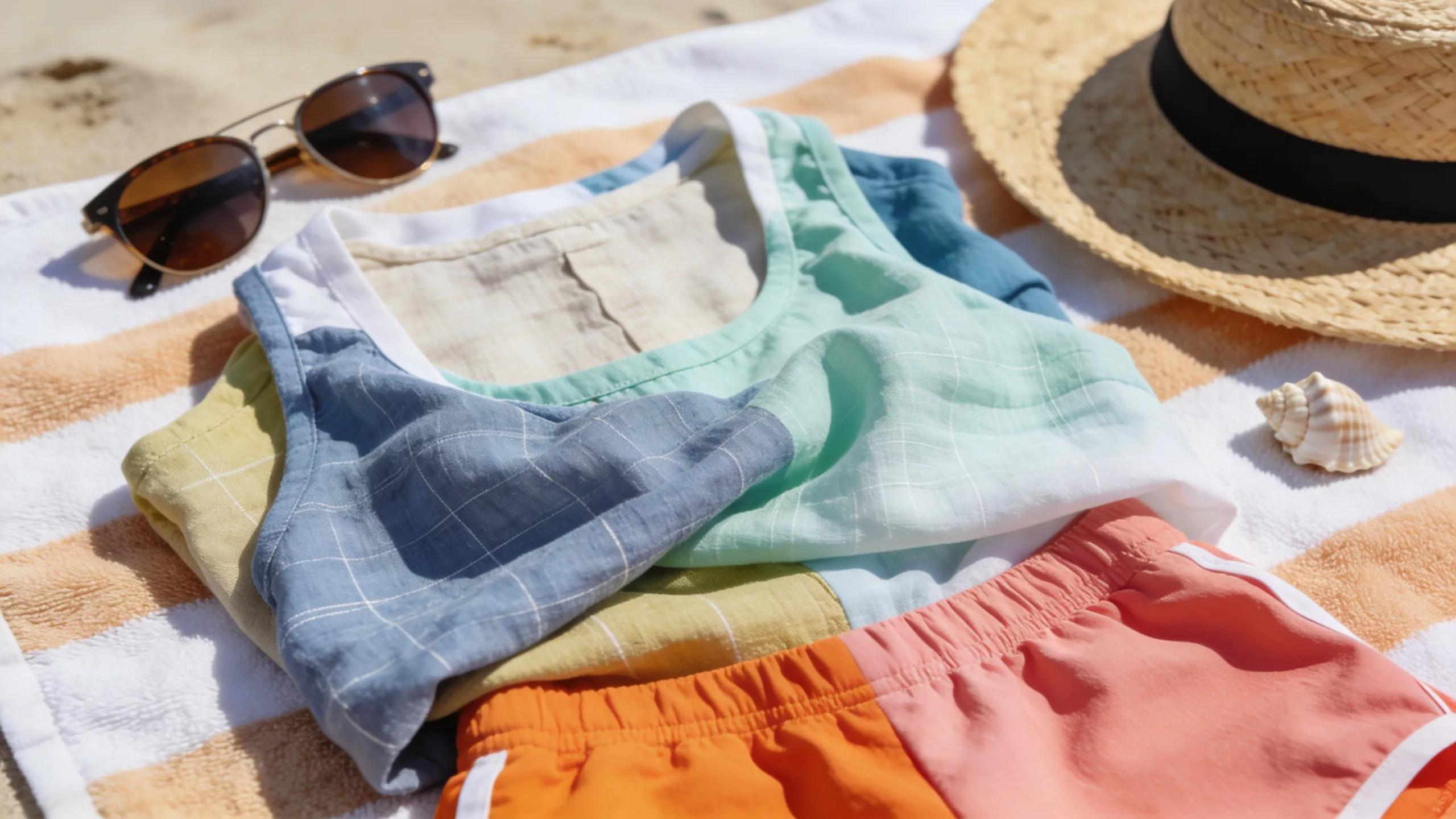
To navigate Queensland's summer effectively, certain fabrics stand out for their breathable qualities. Cotton, linen, and moisture-wicking blends are among the best choices. Cotton is known for its softness and moisture absorption, while linen excels in ventilation and quick drying. High-performance moisture-wicking fabrics, often used in activewear, are engineered to draw sweat away from the body and promote evaporation, ensuring maximum comfort even in sweltering conditions. These fabrics allow for versatile summer outfit construction, appealing to both fashion and function.
What Makes Cotton, Linen, and Moisture-Wicking Textiles Suitable for Queensland Heat?
Cotton, linen, and moisture-wicking textiles are standout selections during Queensland's summer due to their unique properties. Cotton is breathable and comfortable against the skin but can retain moisture. In contrast, linen is superior in airflow and dries quickly, making it a perfect choice for those sweltering days. Moisture-wicking fabrics, commonly found in athletic gear, actively manage perspiration by quickly moving it away from the body, keeping wearers dry and cool. Understanding these fabric characteristics is essential in crafting ensembles that can withstand Queensland's intense heat.
How Do Moisture-Management Fabrics Improve Wearer Comfort in Coastal Humidity?
Moisture-management fabrics are specifically designed to combat the discomfort associated with high humidity. These fabrics utilize advanced technology to wick moisture from the skin's surface, allowing it to evaporate quickly. This function helps regulate body temperature and prevent overheating, ensuring that the wearer remains comfortable. Examples include high-performance athletic wear that incorporates polymers to achieve these moisture-wicking properties. As such, integrating these fabrics into summer wardrobes is vital for maximizing comfort throughout Queensland's humid months.
What Effective Light Layering Tips for Summer Transition in Coastal Queensland?
Light layering is an effective fashion strategy for dealing with the fluctuating temperatures common in coastal Queensland. By incorporating multiple light layers, individuals can easily adjust their outfit to accommodate for both rising daytime heat and cooler evening air. The key to successful light layering lies in choosing complementary fabrics that don't add bulk yet provide options for varying weather conditions.
How to Combine Lightweight Layers to Manage Queensland's Temperature Fluctuations?
To manage temperature fluctuations effectively, a mix of lightweight tops, dresses, and outer layers is essential. For example, start with a breathable tank top paired with a lightweight, unstructured cardigan that can be easily removed during the hottest parts of the day. Cotton or linen scarves can also serve as handy layering pieces, which add style and warmth for evening outings. This layering approach not only keeps one comfortable but significantly enhances overall outfit versatility.
Which Garment Types Are Ideal for Breathable Coastal Layering?
When it comes to breathable coastal layering, certain garment types are clearly superior. Loose-fitting garments tend to provide better airflow and are more comfortable in humid conditions. Flowy maxi dresses, lightweight shirts, and airy culottes are ideal. These items can be easily layered and offer stylish options whether for running errands or relaxing on the beach. Tips for successful layering include selecting garments made from breathable fabrics and experimenting with different lengths and textures to create an eye-catching look.
How Can Queensland Residents Use Sun Protection Clothing and Accessories Effectively?
Sun protection clothing is paramount for those spending extended periods outdoors, especially in Queensland's intense summer sun. Specialized garments designed to offer UV protection can shield the skin from harmful UV rays. Additionally, choosing the right accessories complements these protective efforts, enhancing overall sun safety without compromising style.
What Role Do Summer Hats and UV-Protective Fabrics Play in Coastal Fashion?
Summer hats and UV-protective fabrics play a significant role in maintaining both safety and style in Queensland's coastal fashion. Wide-brimmed hats offer essential shade to the face and neck, effectively blocking harmful rays and reducing skin damage risk. Likewise, fabrics with built-in UV protection offer an extra layer of defense against the sun during outdoor activities. Together, these accessories form a stylish safety net while allowing individuals to focus on enjoying summer outings.
How to Style Sun-Safe Outfits That Balance Fashion and Function?
Creating sun-safe outfits involves blending style with functionality through thoughtful selections. Opting for long-sleeve lightweight shirts made from breathable materials can provide coverage while keeping cool. Pairing these tops with lightweight, wide-leg pants or reactive shorts creates a fashionable and protective outfit. Donning a pair of stylish sandals can complete the look, offering breathability without sacrificing fashion. This balanced approach ensures comfort and sun safety is maintained stylishly.
What Sustainable Fashion Choices Support Coastal Wardrobe Needs in Queensland Summers?
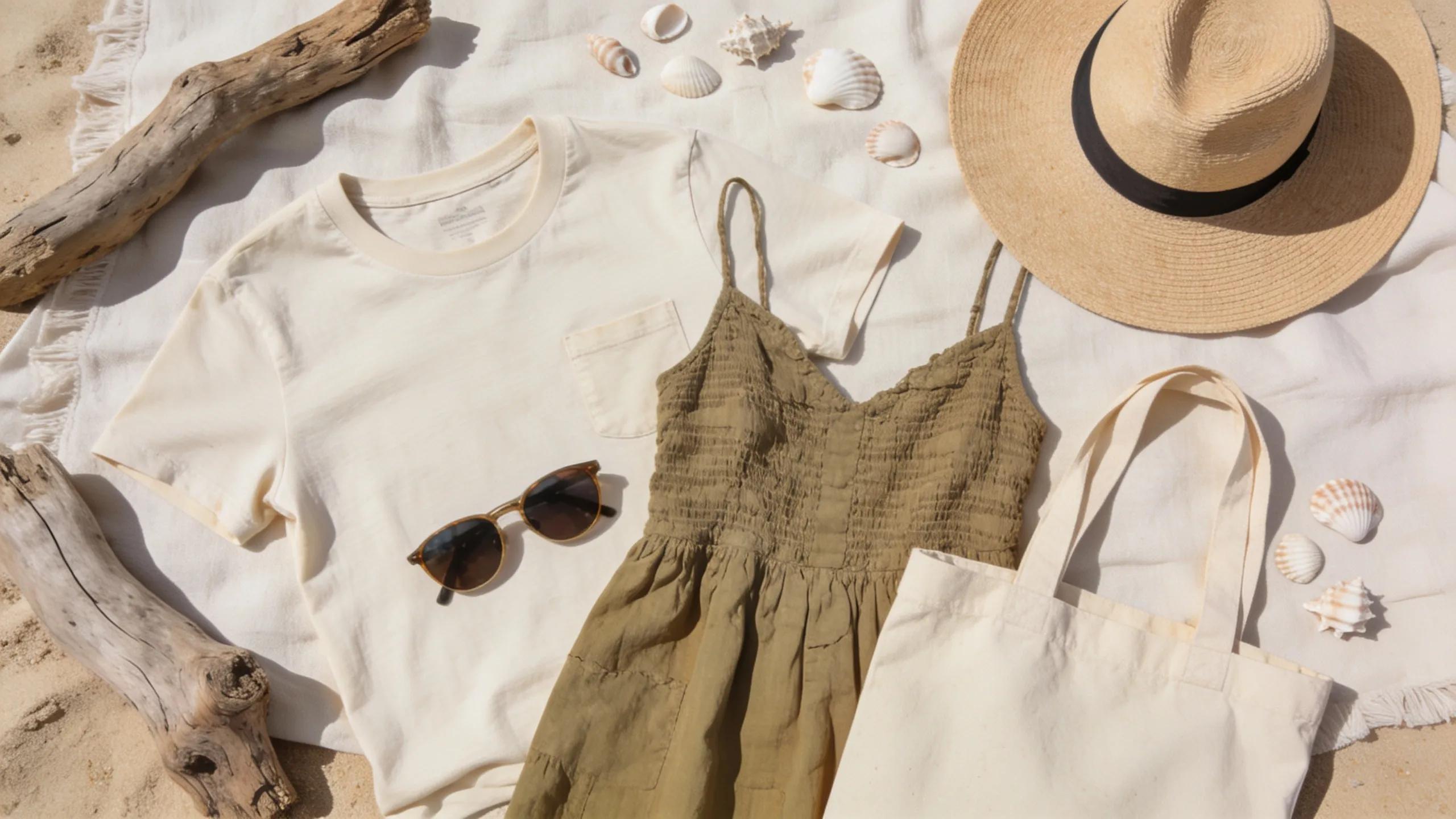
Sustainable fashion choices are increasingly critical in addressing environmental impacts while still meeting the needs of Queensland's summer wardrobe. Eco-friendly practices promote not just personal style but also ecological responsibility. Choosing brands that prioritize sustainable materials, such as organic cotton or recycled fabrics, can contribute positively to minimizing climate impact.
Which Natural and Eco-Friendly Fabrics Are Suitable for Humid Climates?
Several natural and eco-friendly fabrics stand out in their suitability for humid climates. Organic cotton is cultivated without harmful pesticides, making it a healthier option for both the environment and wearers. Tencel, produced from sustainably sourced wood pulp, offers moisture-wicking properties and breathability, ideal for humid environments. Moreover, recycled polyester creates a rippling effect in reducing textile waste while maintaining performance levels. Incorporating these fabrics into summer wardrobes supports environmental efforts and ensures comfort.
How to Build a Versatile and Sustainable Wardrobe for Queensland's Coastal Heat?
Building a sustainable wardrobe for Queensland's coastal heat requires a strategic approach. Start by investing in versatile, high-quality pieces made from breathable materials that can be mixed and matched for multiple occasions. Prioritize sustainable brands focusing on eco-friendly practices while ensuring they offer chic styles ideal for summer wear. Additionally, embrace second-hand shopping, which helps reduce environmental impacts while providing unique finds suitable for the Queensland climate.
What Footwear and Accessories Complement Humidity-Friendly Summer Clothing in Queensland?
Footwear and accessories significantly enhance the overall aesthetic and functionality of summer outfits. Choosing the right types of shoes can elevate comfort, while accessories can add flair without compromising on breathability.
Which Types of Footwear Are Best Adapted to Coastal Humidity and Heat?
Footwear selection is vital for maintaining comfort during humid summers. Options like open-toed sandals, breathable sneakers, and slip-on espadrilles are excellent choices, as they allow heat and moisture to escape. Given the casual nature of Queensland summers, stylish yet comfy footwear helps individuals navigate various environments, from the beach to casual outings.
How Do Fashion Accessories Enhance Comfort and Style in Queensland's Summer?
Fashion accessories can enhance comfort while making a strong style statement. Lightweight scarves, sunglasses with UV protection, and airy totes can complement summer outfits while serving functional purposes. These accessories not only complete an ensemble but also provide practical solutions, like sun protection and convenience for beach days. By carefully choosing accessories, individuals can strike a balance between comfort and fashion throughout Queensland's warm and humid summers.


